
What a Well Maintained Home in Fort Worth Actually Means
The inspection report comes back, and the first page is not about the granite.
It’s the roof. The HVAC. The water heater. The buyer who fell in love with the kitchen is now asking questions about a furnace they never looked at during the showing.
That is how buyers judge a well maintained home. Not by what looks new. By what has been kept up, whether anyone was watching or not.
A well maintained home in Fort Worth is not the same thing as a clean one. Buyers can tell the difference, sometimes without knowing exactly how.
What Buyers Actually Mean by Well Maintained
Updated systems carry more weight than any other signal. Most central HVAC units last 15 to 20 years, and a system anywhere in that range gets flagged in nearly every buyer inspection. Sellers with an aging system commonly face concession requests of $4,000 to $18,000, depending on how close the unit is to the end of its life.
Water heaters last 8 to 12 years. Inspectors look for rust on the tank, a pooling base, a missing relief valve. None of that shows up in listing photos. All of it shows up in the inspection.
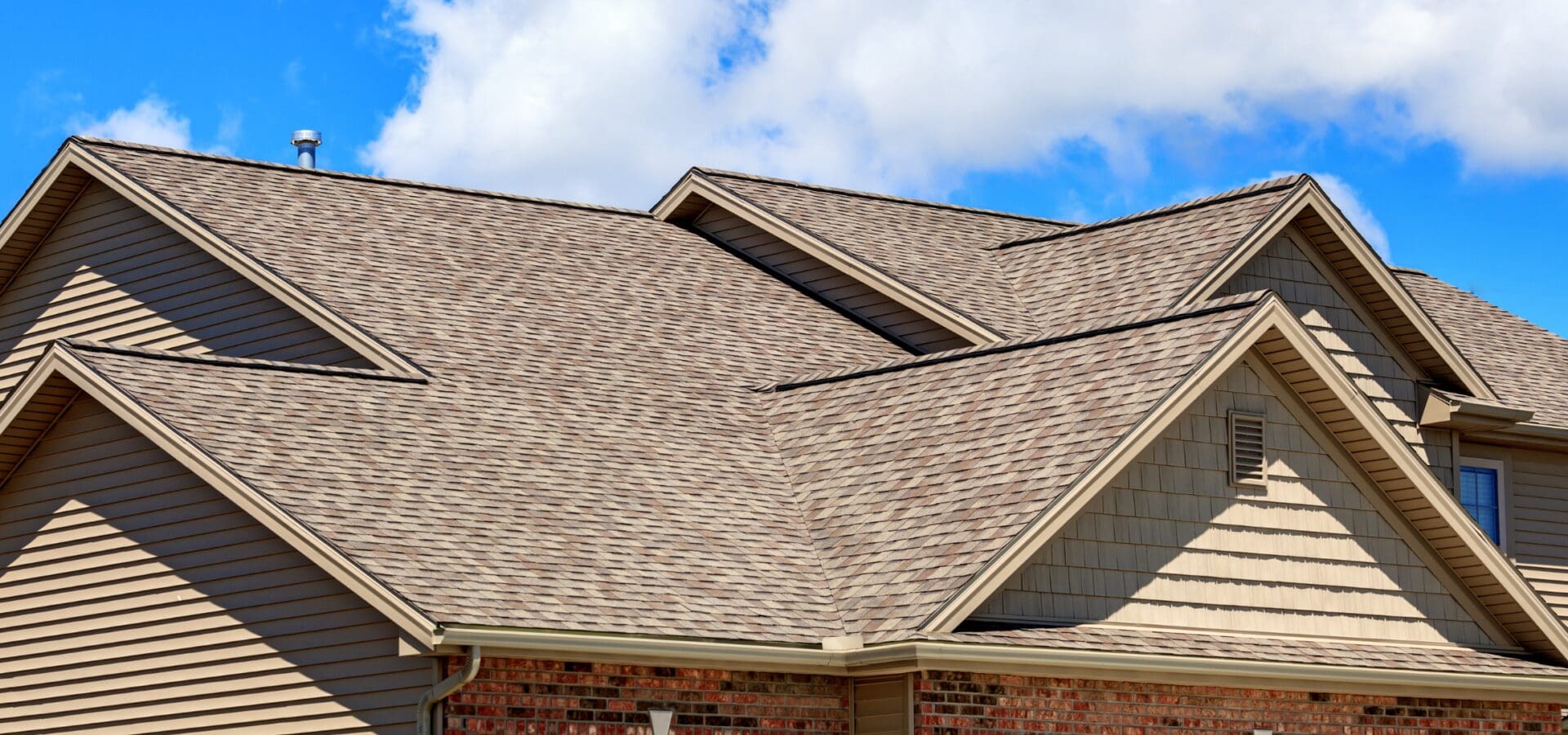
Roof condition is the other one buyers weigh heavily. Roof issues turn up in roughly one in five home inspections nationally. HVAC and roof condition drive home value in Fort Worth more than almost any cosmetic update on the list, because they are the two things a buyer cannot see and cannot ignore.
Why This Matters More in Fort Worth Than It Might Elsewhere
The average age of homes in Fort Worth sits right around 30 years, with the citywide median build year at 1994. That is not old in the way a 1920s Fairmount bungalow is old. It is old in a more urgent way. Thirty years is close enough to the outer edge of a roof’s lifespan and well past the point where an original HVAC system is still original.
A lot of Fort Worth sellers are sitting on homes at exactly the age where these systems start showing up as home inspection red flags in Fort Worth, whether the house looks freshly painted or not.
It plays out differently depending on where in the city you are. A 1990s build in a neighborhood like Ridglea or Wedgwood is likely on or near its original HVAC system right now. A home in an established neighborhood like Tanglewood or Arlington Heights, built decades earlier, has usually already been through one or two full system replacements simply because it has been standing longer. The newer the neighborhood, in Fort Worth terms, the more likely the original systems are still the ones in the house.
Homes in newer developments like Walsh, where builders have been putting up new construction since 2017, sit at the other end of that spectrum. The systems there are new enough that this kind of inspection risk is still years away. That does not mean upkeep stops mattering in a newer build. It means the clock has not started yet, the way it has on a thirty year-old system across most of the city.
Thoughtful Renovations Beat Trend Renovations
Kitchen and bath updates matter too, just not the way most sellers assume. A renovation that solves a real problem, a water heater on its last year, a roof nearing the end of its shingles, reads as maintenance. A renovation chosen to chase a trend reads as decoration, and buyers can tell the difference.
Home maintenance before selling in Fort Worth should start with function, not finish. Fix what will show up on an inspection first. Update what looks good second.
Consistent Upkeep Is the Real Tell
Here is the signal buyers pick up on that is hardest to fake: whether a home has been maintained once, right before listing, or maintained the whole time someone lived there.
A home with a brand new roof and an original water heater from 1998 tells a specific story. So does a home with small, unglamorous repairs done along the way, a caulk line here, a gutter cleared there, nothing that ever made it into a listing photo.
Consistent home upkeep in Fort Worth is not a single project before you sell. It is a pattern buyers can feel the moment they walk in, even if they could not name what tipped them off.
We have walked enough Fort Worth homes to spot the difference in the first five minutes. It shows up in small things. A door that closes right. A thermostat that has clearly been serviced. Nothing overstated. Just cared for.
You do not have to guess at which systems in your home are approaching the age where a buyer’s inspector will flag them. That is exactly what a walk-through is for, before you spend money in the wrong place.
Curb appeal gets a buyer to stop. What is behind the walls is what gets the offer. We cover the first part in our piece on curb appeal in Fort Worth
Fort Worth families keep coming back to Helen Painter. They trust us to help them make the right decision. Since 1958.